Navigating Anonymous Betting: How KYC-Free Sportsbooks Work & What to Expect
In the realm of online sports betting, the term "KYC-free" or "no-KYC" has gained significant traction, appealing to bettors seeking enhanced privacy and a streamlined registration process. KYC, or Know Your Customer, refers to the mandatory verification procedures implemented by most regulated financial institutions and betting sites to combat fraud, money laundering, and underage gambling. KYC-free sportsbooks, conversely, bypass or significantly reduce these stringent checks, often by leveraging cryptocurrencies as their primary transactional method. This allows users to deposit, bet, and withdraw funds with minimal personal information, typically requiring only an email address and a password to get started. While this offers unparalleled anonymity, it's crucial to understand the underlying mechanisms and potential trade-offs involved before diving in.
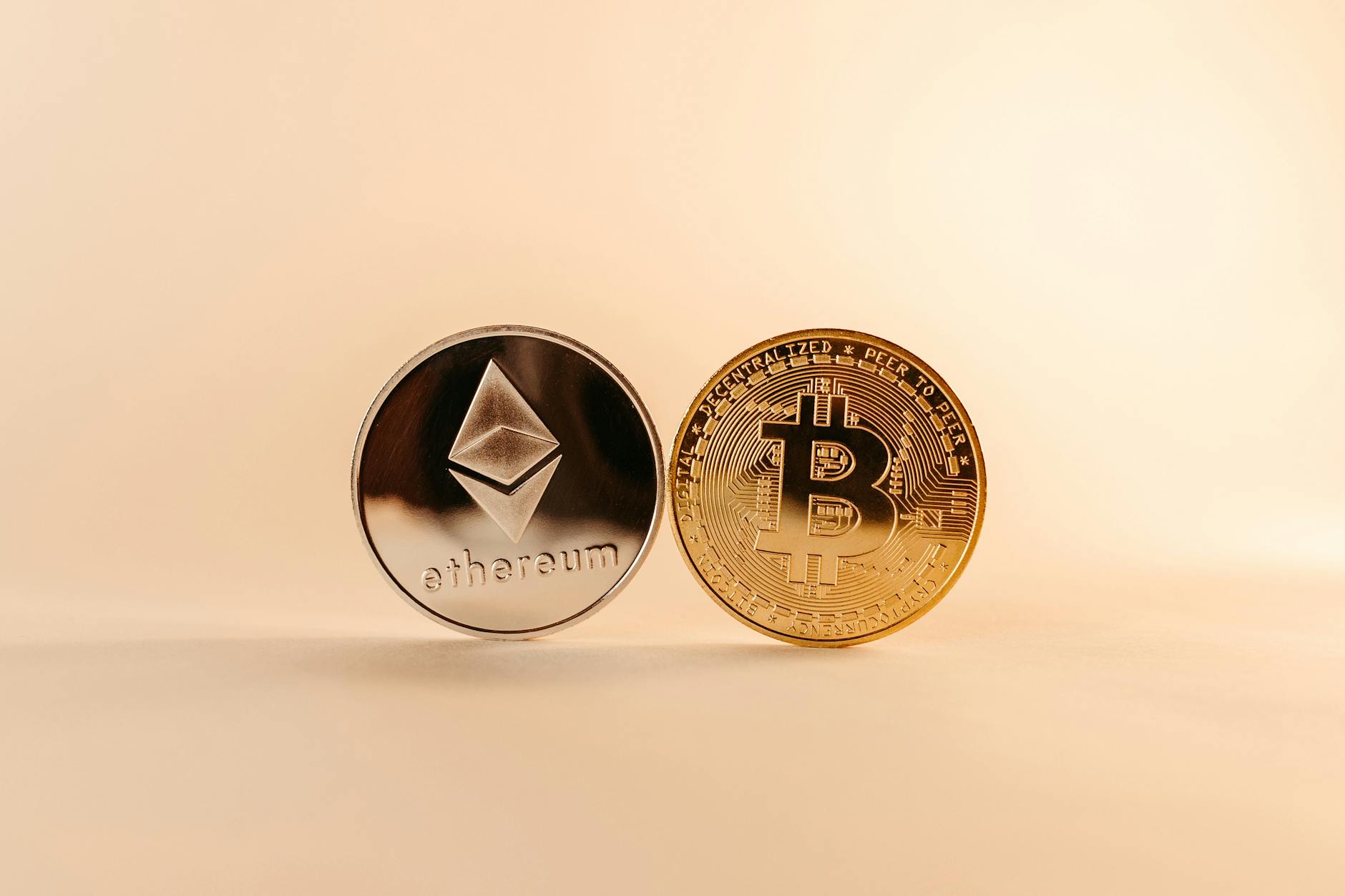
The operational model of KYC-free sportsbooks often relies on the decentralized nature of blockchain technology. By accepting cryptocurrencies like Bitcoin, Ethereum, or Litecoin, these platforms can process transactions without the need for traditional banking intermediaries, which are typically subject to strict KYC regulations. This cryptographic foundation provides a layer of security and anonymity, making it difficult to trace transactions back to individual users. However, it's important to note that "KYC-free" doesn't always mean "completely anonymous." While registration might be instant, some platforms may still request basic verification for larger withdrawals or in cases of suspected illicit activity. Furthermore, the lack of traditional regulatory oversight means users must exercise increased diligence in choosing reputable platforms, as recourse in disputes might be limited compared to fully licensed and regulated sportsbooks.
Decentralized betting utilizes blockchain technology to create transparent and trustless platforms for wagering. This innovative approach eliminates the need for intermediaries, allowing users to place bets directly with each other, and you can learn more about decentralized betting here. By leveraging smart contracts, outcomes are automatically and immutably recorded, ensuring fairness and reducing the risk of fraud often associated with traditional betting systems.
Your First Anonymous Wager: Practical Tips, Crypto Choices & Common Questions Answered
Embarking on your first anonymous crypto wager can feel daunting, but with a few practical tips, you can navigate the process smoothly. First, prioritize your privacy by using a reputable non-custodial wallet that doesn't link to your personal identity. Consider using a VPN (Virtual Private Network) to mask your IP address, adding an extra layer of anonymity. When choosing a platform, look for those that explicitly support anonymous deposits and withdrawals, often utilizing cryptocurrencies like Monero (XMR) or Dash (DASH) for their enhanced privacy features. Always start with smaller stakes to familiarize yourself with the platform's interface and processes before committing larger sums. Remember, the goal is not just anonymity, but also a secure and enjoyable experience.
When it comes to selecting cryptocurrencies for anonymous wagering, not all digital assets are created equal. While Bitcoin (BTC) offers a degree of pseudonymity, its blockchain is publicly viewable, making transactions traceable with sufficient effort. For true anonymity, consider
- Monero (XMR): Widely regarded as the gold standard for privacy, Monero uses ring signatures and stealth addresses to obscure sender, receiver, and transaction amounts.
- Dash (DASH): Offers a feature called PrivateSend, which mixes transactions with others to break traceability.
- Zcash (ZEC): Provides optional privacy features through 'shielded transactions,' allowing users to conceal transaction details.