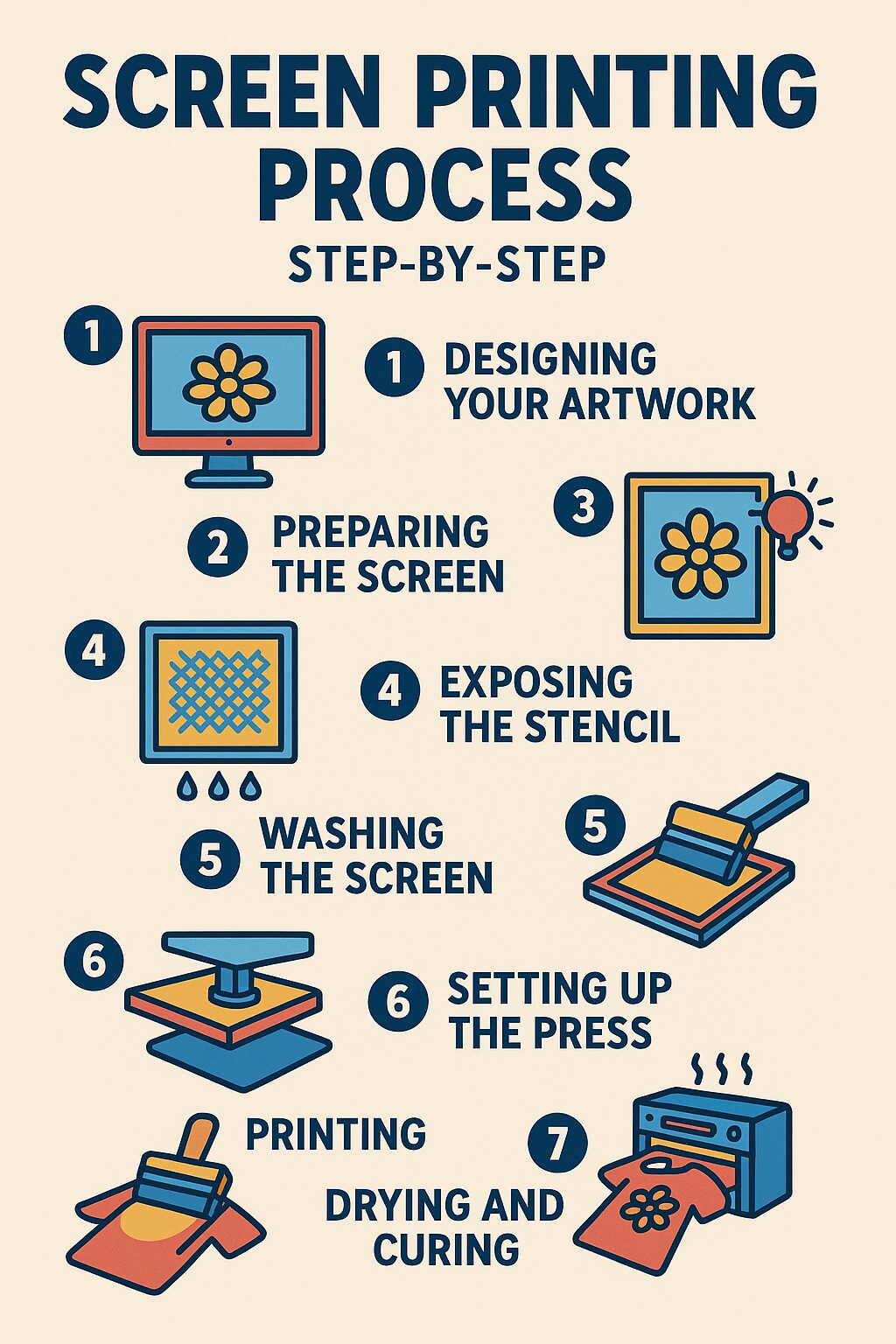
Top 10 Screen Printing Tips for Beginners
Screen printing is an exciting and creative way to produce custom designs on various materials, but it can be challenging for beginners. To get you started, here are the top 10 screen printing tips for beginners that will help streamline your process and enhance your results.
- Choose the Right Equipment: Investing in quality screens, inks, and squeegees will make a significant difference in your prints.
- Understand Your Materials: Familiarize yourself with different fabrics and their properties to select the best substrate for your designs.
- Practice Proper Registration: Ensure your screens are aligned correctly to maintain consistency in multiple color prints.
- Perfect Your Technique: Master the art of pulling the squeegee to avoid uneven ink distribution.
- Experiment with Ink Types: Try water-based, plastisol, and discharge inks to see which produces the results you prefer.
- Utilize Test Prints: Always create test prints to check for color accuracy and registration before producing your final designs.
- Maintain a Clean Workspace: Keeping your workspace organized and clean will help minimize mistakes and improve efficiency.
- Learn from Mistakes: Embrace errors as learning opportunities; they often lead to valuable insights and improvements.
- Seek Online Resources: Consider joining online communities or forums where you can share experiences and ask questions.
- Have Fun: Most importantly, enjoy the creative process! Experiment with new ideas and techniques to develop your unique style.
If you're a fan of the popular anime and manga series, you won't want to miss out on the latest merchandise available at our jujutsu kaisen shop. From stylish apparel to unique collectibles, there's something for every enthusiast. Explore the collection and find your favorite items today!
Common Screen Printing Mistakes and How to Avoid Them
Screen printing can be a rewarding venture, but it is not without its challenges. One of the common screen printing mistakes is inadequate preparation of the screens. Ensuring your screens are clean and properly coated with emulsion is essential for achieving crisp designs. When screens are not prepared correctly, it can lead to blurry images or unwanted smudges. To avoid this, always follow a consistent cleaning and coating process, and ensure your workspace is free of dust and debris.
Another frequent mistake is not using the correct ink type for your fabric. Selecting the wrong ink can result in fading, cracking, or peeling after washing. For instance, using water-based ink on fabrics that require plastisol ink can lead to poor adhesion. To avoid these screen printing mistakes, familiarize yourself with the different types of inks and their compatibility with various materials. Always test your inks before committing to a large batch, as this can save you time and resources in the long run.
What Materials Do You Need for Successful Screen Printing?
To achieve successful screen printing, you'll first need to gather the essential materials that contribute to the overall quality and durability of your prints. The primary items you should have include:
1. Silk Screens: These are the mesh frames that hold the stencil through which the ink will pass. Choose screens based on the type of detail you want in your design.
2. Emulsion: This light-sensitive liquid is used to create your stencil on the screen. Make sure to follow the manufacturer's instructions for the best results.
In addition to screens and emulsion, consider acquiring the following tools:
1. Squeegee: This tool is used to push the ink through the screen and onto your material. A good squeegee is key to achieving consistency in your prints.
2. Ink: Use high-quality inks that are suitable for your chosen material. Water-based and plastisol inks are popular choices.
3. Printing Surface: Ensure you have a stable, level surface to work on, whether it's a printing press or a simple table.