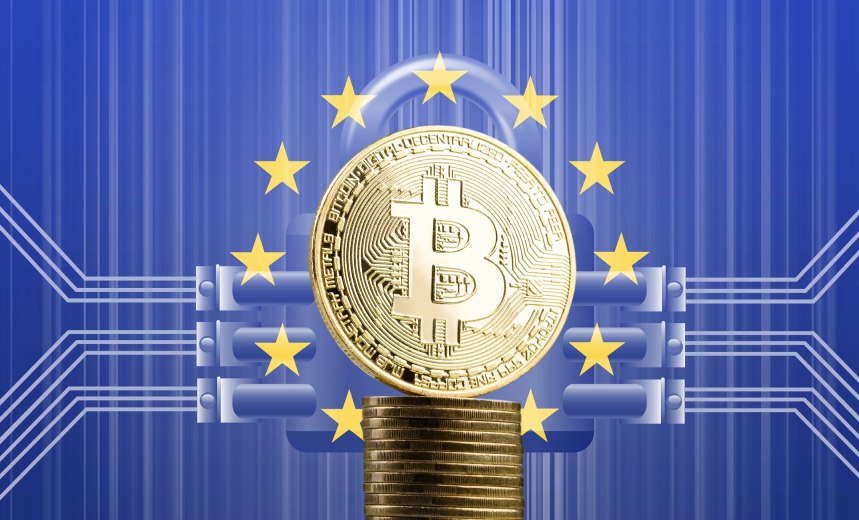
Understanding the Latest Crypto Regulations: Key Changes You Should Know
The landscape of cryptocurrency is rapidly evolving, and with it, the latest crypto regulations are being introduced worldwide. These regulations aim to enhance transparency, prevent fraud, and protect investors, but they also pose challenges for individuals and businesses in the crypto space. Some of the key changes include stricter Know Your Customer (KYC) and Anti-Money Laundering (AML) requirements, which now mandate that exchanges verify the identity of their users more rigorously. Additionally, some countries are implementing framework guidelines that classify certain cryptocurrencies as securities, which affects how they can be traded and issued.
Another significant development involves tax implications for cryptocurrency transactions. Many jurisdictions are clarifying how crypto should be taxed, with some pushing for users to report their digital asset holdings and transactions explicitly. As a result, it's vital for anyone involved in cryptocurrency to understand these key changes to avoid potential legal issues. To remain compliant, you might consider staying informed through reputable sources, consulting legal professionals, and regularly reviewing local legislation surrounding crypto regulations. By mastering these changes, you'll be better positioned to navigate the complexities of the crypto market safely.
Counter-Strike is a popular first-person shooter game that pits two teams against each other: the terrorists and the counter-terrorists. Players engage in tactical gameplay, where teamwork and strategy play critical roles in achieving objectives. If you're interested in enhancing your gaming experience, check out the betpanda promo code for great offers and bonuses.
How Regulatory Updates Impact Your Crypto Investments: A Comprehensive Guide
The world of cryptocurrency is constantly evolving, and one of the most significant factors that can influence your investments is regulatory updates. Understanding how these regulations affect the market is crucial for any investor. When governments implement new rules, they can either foster a more stable environment for crypto transactions or create uncertainty that can lead to price fluctuations. For example, regulations regarding taxation on cryptocurrency gains can impact investor behavior, while stricter compliance measures might deter innovation in the sector.
Investors should stay informed about the latest regulatory updates to make better decisions. Utilize resources such as government websites, financial news outlets, and industry reports to keep abreast of potential changes. It’s also beneficial to follow expert analyses and market predictions, as these can provide insights into how upcoming regulations may impact specific cryptocurrencies. By staying proactive and adapting your investment strategy to these changes, you can safeguard your portfolio against adverse effects and seize new opportunities.
Are You Compliant? Essential Questions Every Crypto Investor Should Ask
As a crypto investor, compliance with regulations is paramount to safeguard your investments and ensure the sustainability of your trading activities. The rapidly evolving landscape of cryptocurrency regulations can be challenging to navigate, making it essential to ask yourself a few critical questions. Have you familiarized yourself with the specific regulations applicable in your jurisdiction? This includes understanding Anti-Money Laundering (AML) and Know Your Customer (KYC) requirements, which vary significantly from one region to another. Moreover, are you aware of how your trading practices align with these regulations? Compliance not only protects you legally but also enhances the credibility of the crypto market as a whole.
Another vital aspect of compliance is the security of your investments. Have you conducted due diligence on the cryptocurrency exchanges and wallets you use? It's essential to evaluate their compliance history and security measures; this ensures that your holdings are not only safe but also that the platforms operate within legal boundaries. Consider asking yourself the following questions:
- Is the exchange registered with relevant authorities?
- What security protocols are in place to protect user data and funds?
- How transparent are their operational practices?