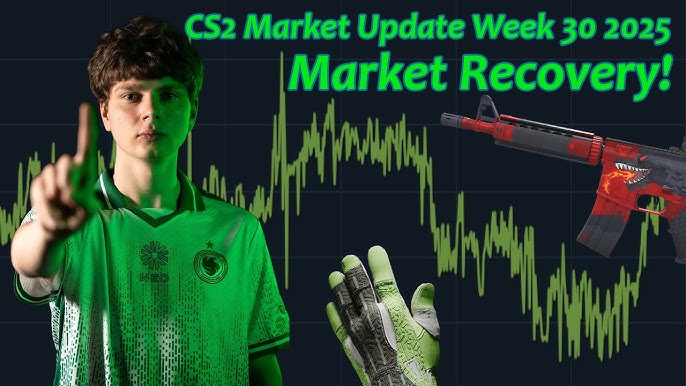
Understanding the Steam Skin Market: A Comprehensive Guide
The Steam skin market has emerged as a vibrant and dynamic segment within the gaming community, allowing users to customize their Steam client with unique designs and themes. This guide aims to provide a comprehensive understanding of this market, covering the various types of skins available, their popularity, and the factors driving user engagement. Skins are not merely aesthetic enhancements; they can significantly influence the user's experience and interaction with the Steam platform. From minimalistic styles to intricate artwork, the diversity within the Steam skin market caters to a wide array of tastes and preferences.
In navigating the Steam skin market, it's essential to consider several key factors that impact both the quality and popularity of the skins. Firstly, the community feedback plays a crucial role, with user ratings and reviews serving as indicators of a skin's desirability. Additionally, the credibility of the creators and their adherence to Steam's guidelines can affect the visibility and accessibility of these skins. For anyone looking to dive into this colorful world, exploring platforms like the Steam Workshop or third-party websites can be an invaluable resource for discovering new and trending skins while also learning about the creation process for their own designs.
Counter-Strike is a highly popular first-person shooter game that has captivated millions of players worldwide. It's known for its competitive gameplay, where teams of terrorists and counter-terrorists engage in various missions. Players often look for ways to enhance their gaming experience, and many seek out a csgoroll promo code to gain benefits in the game.
The Rise of Digital Skins: How They Influence Gaming Culture
The world of gaming has witnessed a remarkable transformation with the rise of digital skins. These unique cosmetic items, which alter the appearance of characters, weapons, and vehicles, have become a multi-billion-dollar market. As players seek to express their individuality, the demand for rare and visually appealing skins has surged. Websites and marketplaces dedicated to buying, selling, and trading these digital assets have proliferated, further embedding skins into the fabric of gaming culture. This phenomenon has not only intensified competition but also fostered a new layer of social interaction among players, as they flaunt their rare acquisitions within the gaming community.
Moreover, the influence of digital skins extends beyond mere aesthetics; they have become a form of currency within various gaming ecosystems. The integration of skins into esports has amplified their significance, with professional gamers showcasing skins during tournaments, influencing trends and fan preferences. In many cases, skins are not just a visual upgrade; they also serve as a status symbol, with certain designs correlating with prestige among players. As the gaming industry continues to evolve, the role of skins in shaping gaming culture underscores their importance, highlighting how digital aesthetics can reverberate through communities and economies alike.
Are Steam Skins Worth the Investment? A Deep Dive into Value and Trends
The debate over whether Steam skins are worth the investment has gained traction among gamers and collectors alike. These virtual items, which can be purchased or traded within the Steam platform, serve as aesthetic enhancements for various games, notably Counter-Strike: Global Offensive and Dota 2. Many players argue that investing in Steam skins not only adds a personalized touch to gameplay but can also lead to profitable returns in the long run. For instance, rare or limited-edition skins have been known to appreciate significantly in value, attracting interest from both gamers and investors who see potential for market growth. However, it is essential to consider the risks involved, as the market for these digital assets can be volatile and unpredictable.
Moreover, the trend of Steam skins reflects a larger phenomenon in virtual economies, with the rise of digital collectibles being driven by factors such as community engagement and in-game activities. A study by XYZ Research indicates that up to 45% of gamers actively invest in skins, viewing them as both a hobby and a financial opportunity. As more players join the community and demand for Steam skins increases, enthusiasts must stay informed about market trends and popular skins to make wise investment choices. Ultimately, whether Steam skins are worth the investment may depend on personal interests, financial goals, and risk tolerance.