The Unexpected Conversations: What Happens When Your Appliances Argue?
Have you ever wondered what might happen if your household appliances had a disagreement? Imagine a microwave arguing with the oven about cooking times, while the refrigerator chimes in with complaints about energy usage. These unexpected conversations could lead to chaotic scenarios. For instance, the microwave might claim it can heat leftovers faster, but the oven insists that its ability to bake ensures a superior taste. The underlying question remains: when do these appliances decide to band together for efficiency, and when do their differences create humorous, if not frustrating, household dilemmas?
In households across the globe, such arguments could lead to hilarious outcomes. Picture this: the washing machine is in a heated debate with the dryer over who does a better job. The dryer boasts about its quick drying capabilities, while the washing machine defends its thorough cleaning process. In this lighthearted showdown, one can only wonder if this rivalry affects their performances. It’s a reminder that just like humans, even our appliances have their quirks and personalities, leading us to appreciate the little things that make our lives easier, even amidst the unexpected conversations they might have.
Counter-Strike is a popular first-person shooter game that emphasizes teamwork and strategy. Players can choose to be part of either the terrorist or counter-terrorist team, engaging in various objective-based missions. For those looking to enhance their gaming experience, exploring Top 10 smart home accessories can provide valuable improvements to their setup.
Smart Home Shenanigans: How IoT Devices Are Learning to 'Talk Back'
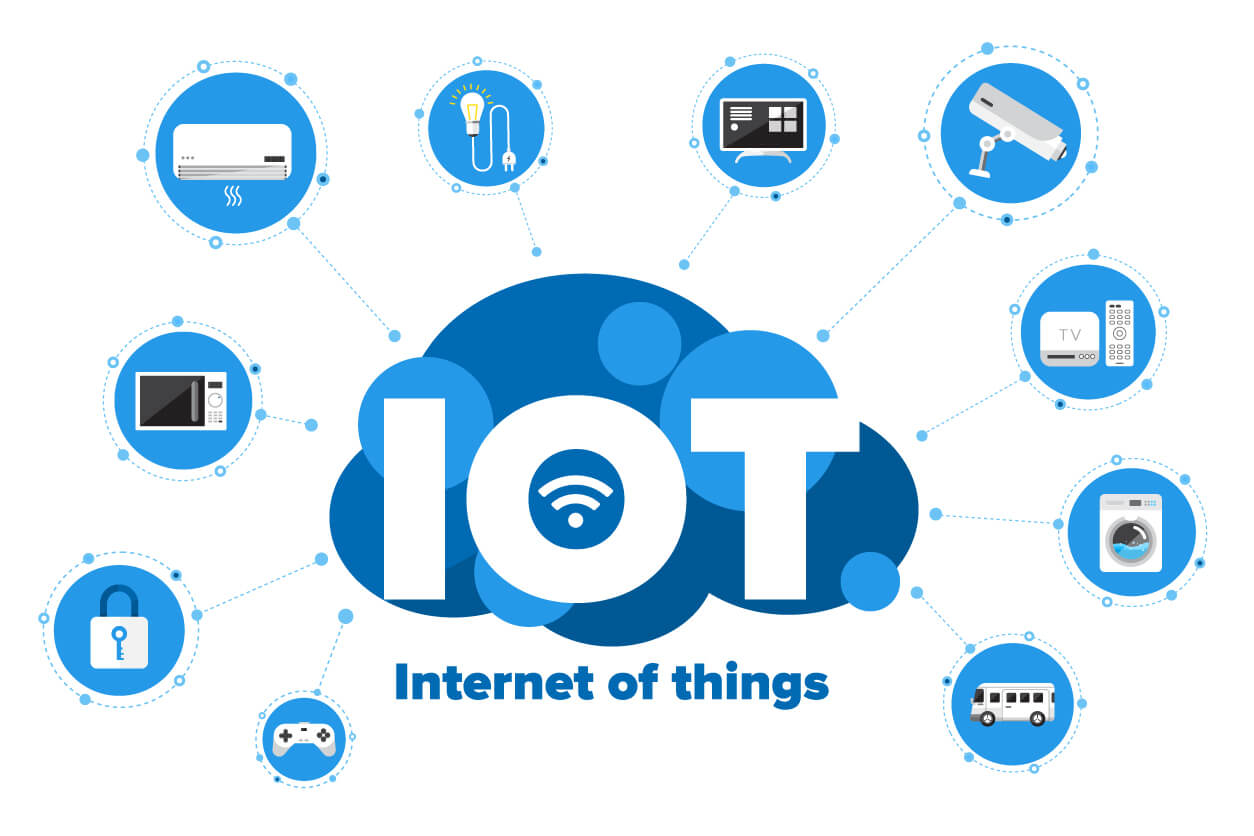
The evolution of smart home technology has ushered in a new era of convenience, where Internet of Things (IoT) devices are no longer just passive tools but are learning to 'talk back' to their users. From intelligent voice assistants to automated lighting systems, these devices are becoming more interactive and responsive. As they gather data on our preferences and behaviors, they can provide personalized suggestions that enhance our daily routines. For instance, a smart thermostat might adjust the temperature based on your past habits, ensuring that your home is always at the perfect temperature when you return.
Moreover, the ability of IoT devices to communicate with each other creates a cohesive smart home ecosystem. When your smart fridge detects that you're running low on groceries, it can notify your smart speaker to suggest a shopping list, or even place the order directly with your favorite grocery store. These smart home shenanigans not only save time but also improve efficiency, turning mundane tasks into seamless experiences. As technology progresses, we can expect even more sophisticated interactions and capability from our smart devices, making our homes not just smarter, but more intuitive.
Are We Ready for a Future Where toasters Have Opinions?
As technology continues to advance at an unprecedented pace, the notion that household appliances like toasters could gain a semblance of consciousness or opinion is no longer confined to the realms of science fiction. This shift raises intriguing questions about the future of smart appliances and their potential roles in our daily lives. Would a toaster that understands your preferences for golden brown versus lightly toasted bread change how we prepare breakfast? The implications extend beyond mere convenience; they touch on the evolving relationship between humans and technology, pushing the boundaries of what we deem as sentient.
Moreover, as we integrate more artificial intelligence into our homes, we must consider the ethical ramifications of machines possessing opinions. Would it be appropriate for a toaster to suggest how you prepare your toast? Are we ready for a future where our appliances can express preferences or emotions? The challenge lies in balancing efficiency and personalization with the fundamental principles of privacy and autonomy. As we ponder this future, it becomes clear that our approach to technology must evolve; otherwise, we risk creating an environment where even a simple breakfast routine transforms into a complex negotiation between human and machine.