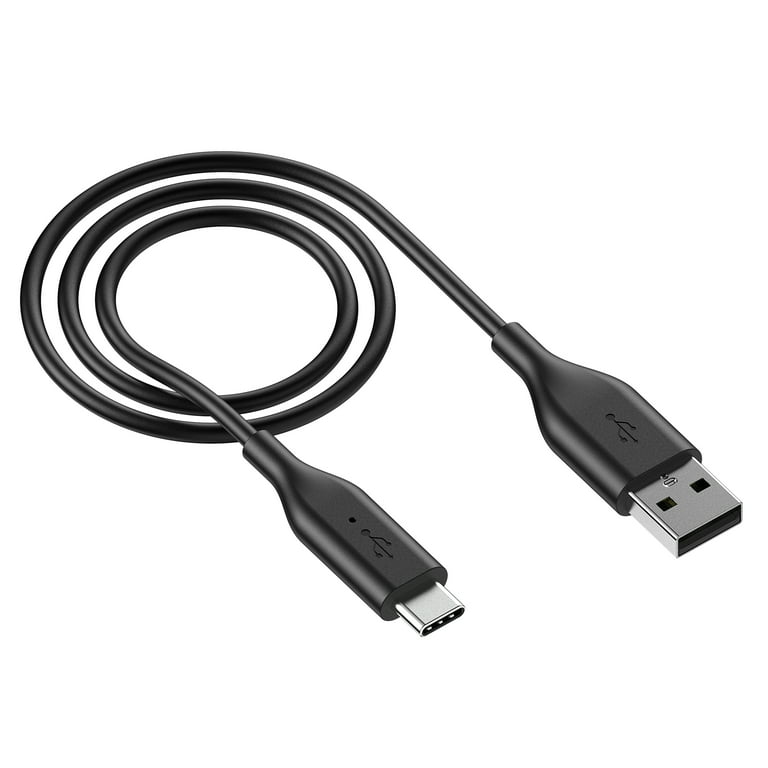
Understanding USB-C: How This Versatile Cable Works
USB-C, which stands for Universal Serial Bus Type-C, is a revolutionary connector that is changing the way we interact with our devices. Unlike its predecessors, USB-C offers a versatile solution that combines data transfer, video output, and power delivery in one sleek design. One of the standout features of USB-C is its reversible connector, allowing users to plug the cable in either direction, which eliminates the frustration of trying to align it correctly. With transfer speeds of up to 40 Gbps, USB-C can support various applications, from high-speed data transfer to connecting multiple monitors, all through a single port.
Moreover, USB-C is compatible with numerous devices, ranging from smartphones and tablets to laptops and peripherals. This widespread adoption is a result of the growing need for a standard connection that can manage multiple functionalities. For instance, many laptops now come equipped with USB-C ports exclusively, pushing the industry towards a more unified approach to connectivity. In summary, understanding USB-C is essential not only for tech enthusiasts but also for everyday users who want to maximize their device's capabilities while simplifying their connectivity setup.
Counter-Strike is a popular tactical first-person shooter game that emphasizes team-based gameplay and strategy. Players can choose to play as terrorists or counter-terrorists, with each side having distinct objectives. The game's competitive nature has led to a thriving esports scene and a dedicated community of players. If you're looking to enhance your gaming experience, check out the Top 10 external monitors for mac for optimal visuals and performance.
The Benefits of USB-C: Why It's Time to Make the Switch
In today's fast-paced tech landscape, switching to USB-C offers numerous advantages that can enhance your overall user experience. First and foremost, the USB-C connector is universal, meaning it can be used across a wide range of devices including smartphones, laptops, and tablets. This eliminates the need for multiple cables and adapters, streamlining your tech life. Additionally, USB-C supports faster data transfer speeds and more robust power delivery, allowing users to charge their devices more quickly while transferring large files with ease.
Another significant benefit of adopting USB-C is its reversibility, which means you can plug the connector in either way without worrying about orientation. This small, yet convenient feature saves time and reduces wear on ports from repeated plugging and unplugging. Moreover, as technology evolves, USB-C is set to become the standard connection type, ensuring your devices will remain compatible for years to come. Overall, making the switch to USB-C not only simplifies your gadget ecosystem but also future-proofs your tech investments.
Common Questions About USB-C: What You Need to Know
USB-C has rapidly become the go-to standard for connecting devices, but many users still have questions about its capabilities and their future. One of the most common inquiries is, What makes USB-C different from previous USB standards? Unlike its predecessors, USB-C features a reversible connector, allowing users to plug it in easily without worrying about orientation. Additionally, it supports faster data transfer rates and charging capabilities. For instance, USB-C can provide power delivery of up to 100 watts, far outpacing previous USB standards. This versatility makes USB-C suitable for an array of devices, including smartphones, laptops, and even some peripherals.
Another frequently asked question is, Are all USB-C cables the same? The answer is a resounding no; the functionality of USB-C cables can vary significantly. While all USB-C connectors will fit into the same ports, not all cables support the same speeds or power delivery. For example, some cables may only support USB 2.0 speeds, while others support USB 3.1 or Thunderbolt 3. Thus, it's crucial to check product specifications when purchasing USB-C cables to ensure compatibility with your devices and desired performance. In short, understanding the nuances of USB-C will help you make informed choices and maximize the potential of your technology.