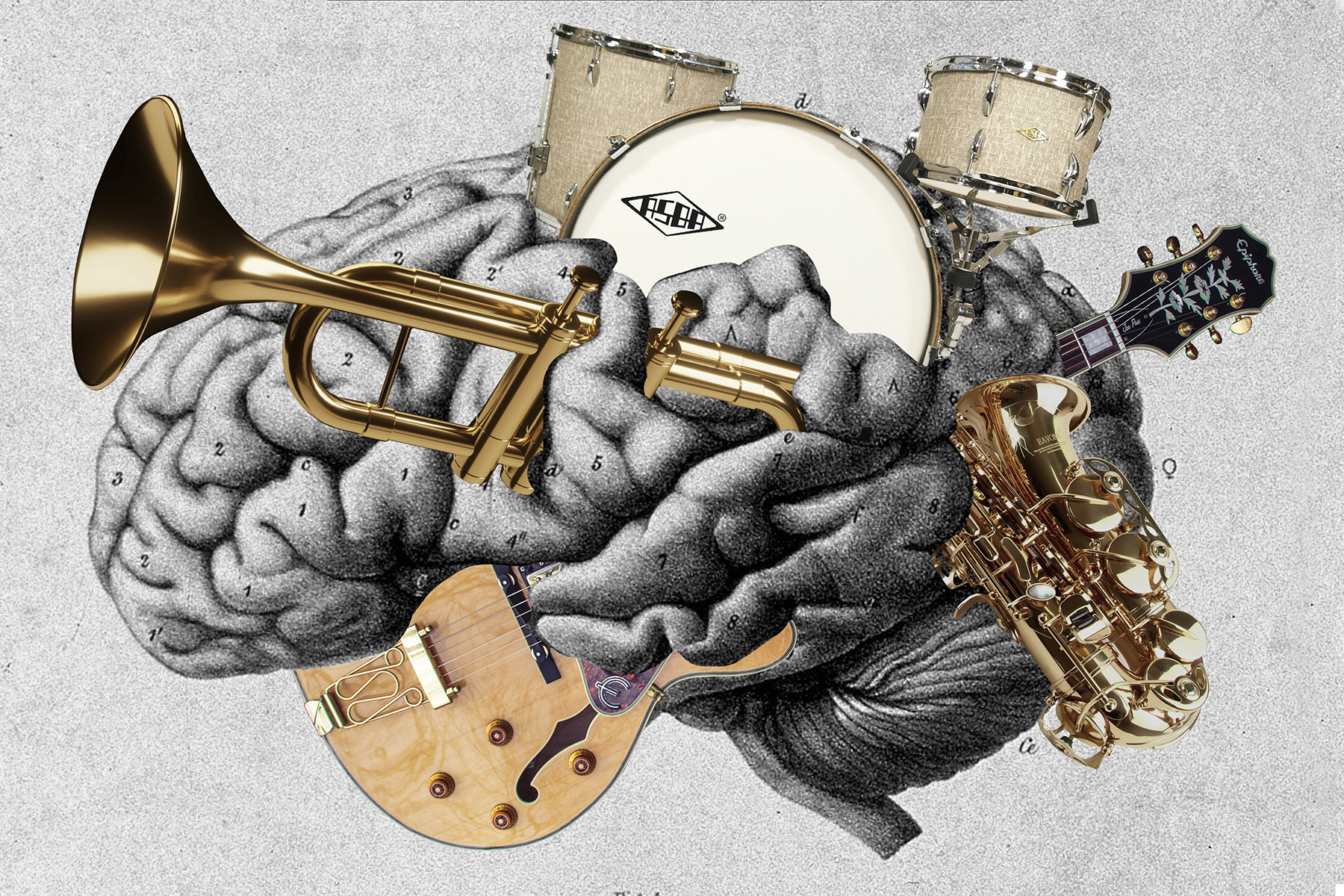
The Neuroscience of Rhythm: Why Our Brains Crave Dance
The human connection to rhythm is deeply rooted in our evolutionary biology. Studies in neuroscience have shown that when we hear music or rhythmic sounds, areas of our brain associated with motion and coordination light up, creating a strong desire to move. This intrinsic connection to rhythm can be traced back to early humans who relied on rhythmic beats for communication, social bonding, and even coordination during hunting. The release of neurotransmitters, such as dopamine, during these rhythmic experiences can create feelings of joy and well-being, making it no surprise that our brains crave dance as a form of expression.
Furthermore, the act of dancing not only allows for emotional release but also enhances brain function. Engaging in dance stimulates multiple areas of the brain, facilitating improved cognitive performance and memory retention. Research indicates that the synchronization of movements with music enhances brain plasticity, which is crucial for learning and adaptation. As such, the neuroscience of rhythm illustrates how dancing serves as a multi-faceted experience that enriches both our mental and emotional states, reinforcing why our brains are hardwired to seek out the joyous rhythm of dance.
Discover Affordable Sound
If you're looking for great audio without breaking the bank, you should check out the Top 10 budget earbuds. These options provide excellent sound quality, comfort, and durability, making them perfect for everyday use. Whether you need them for workouts, commuting, or just casual listening, there's something for everyone in this budget-friendly list.
The Psychology of Music and Movement: What Makes Us Dance?
The relationship between music and movement is deeply rooted in human psychology, drawing from our primal instincts and social behaviors. Studies suggest that rhythm activates neural pathways linked to emotion, which can elicit a powerful urge to move. This phenomenon can be observed in various cultures, where music and dance serve as a means of expression and communication. Scientists believe that when we hear a beat, our brains respond by syncing our bodily movements to it, creating a strong connection between dance and our emotional state. For many, dancing becomes not just a pastime but a way to express identity and connect with others on a deeper level.
Moreover, the psychological benefits of dancing are profound, contributing to improved mood and reduced stress levels. Engaging in dance releases endorphins, the 'feel-good' hormones, which can enhance feelings of happiness and reduce anxiety. According to research, dancing fosters a sense of community, as group participation in dance can strengthen social bonds and create a shared experience among participants. Thus, the question of what makes us dance intertwines cognitive, emotional, and social factors, reflecting a fundamental aspect of what it means to be human. In essence, through music and movement, we experience not just rhythm but also a celebration of life itself.
Can Dancing to Catchy Tunes Improve Our Mood and Health?
Dancing to catchy tunes has been shown to significantly boost our mood and overall well-being. Engaging in dance activates various areas of the brain, releasing endorphins—the body’s natural feel-good hormones. Many studies suggest that movement to music can lead to increased levels of happiness and reduced stress, as dancers often experience a sense of liberation and joy while expressing themselves through movement. Additionally, the social aspect of dancing—a joyful activity often shared with others—can help foster connections and combat feelings of loneliness.
Moreover, the physical health benefits of dancing cannot be overstated. Regularly participating in dance can improve cardiovascular health, increase flexibility, and enhance strength. Whether it's a fun dance class or simply grooving to a favorite song at home, anyone can reap the rewards of this uplifting activity. Incorporating dancing into your routine not only brings a sense of enjoyment but also serves as a potent reminder of the powerful connection between music, movement, and our mental and physical health.