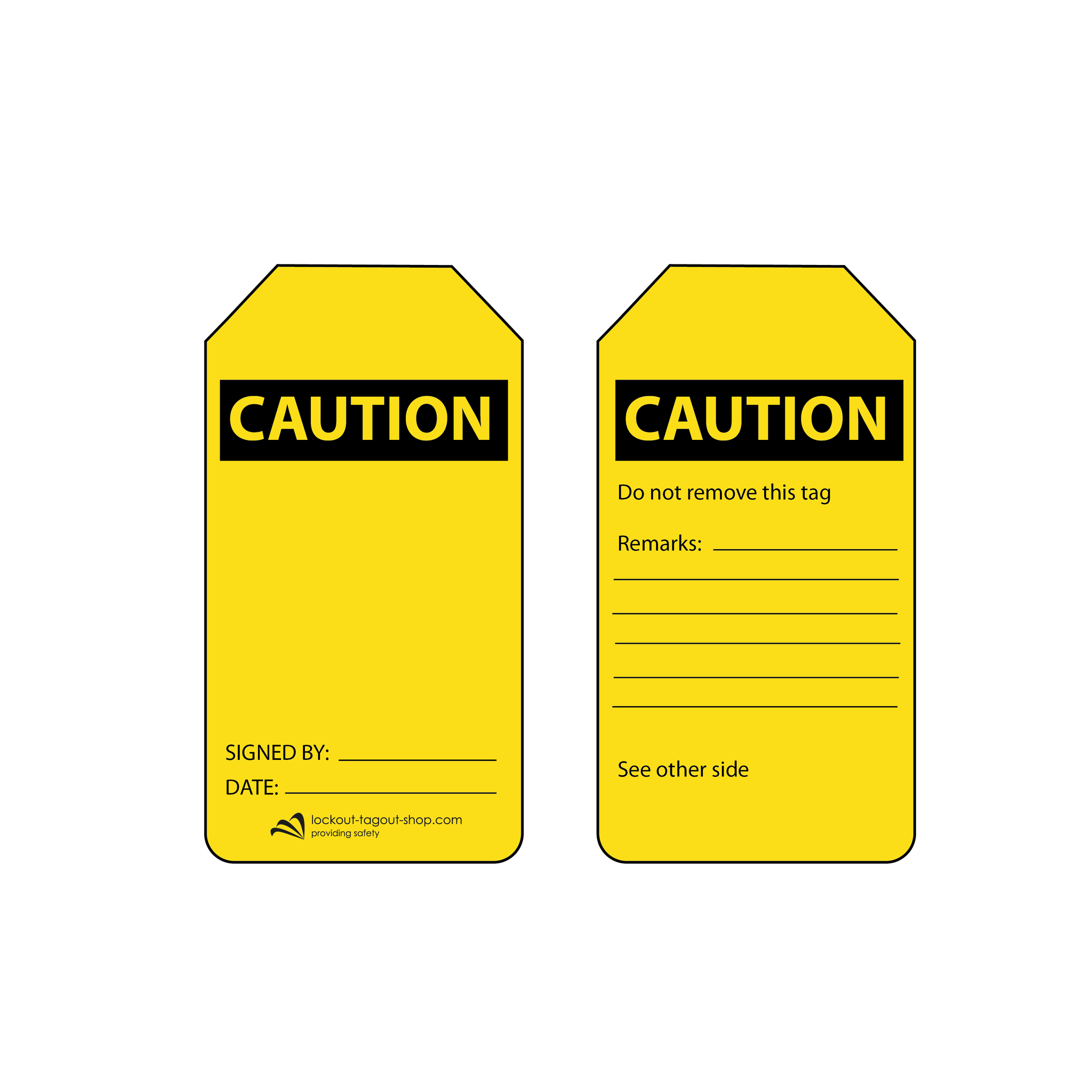
Understanding Safety Tags: How They Protect You and Your Team
Understanding safety tags is crucial for ensuring a secure work environment. These tags serve as visual indicators that highlight potential hazards, equipment status, and safety protocols. By clearly marking unsafe conditions, safety tags effectively communicate risks to team members, reducing the chance of accidents and injuries. For instance, a danger tag may indicate that a piece of equipment is out of service and poses a risk if operated, while a caution tag may advise personnel to remain vigilant due to nearby hazards. Familiarizing your team with the meaning and implications of these tags is essential for maintaining a culture of safety.
Implementing the use of safety tags can greatly enhance workplace safety and accountability. Here are some key benefits:
- Visual Alerts: Safety tags provide immediate visual warnings that can quickly grab attention.
- Standardization: They create a uniform method for communicating hazards, making it easier for all team members to understand safety protocols.
- Compliance: Utilizing safety tags helps organizations comply with industry regulations and standards, protecting both employees and employers.
Incorporating safety tags into your safety management program not only protects you but ensures the well-being of your entire team.
Counter-Strike is a popular first-person shooter game that has captivated players since its release. Known for its competitive gameplay, it pits teams of terrorists against counter-terrorists in various objective-based scenarios. For those looking to enhance their running experience, check out the Top 10 Apple Watch Accessories for Runners to find the best tools to keep you motivated and on track during your workouts.
The Essential Guide to Choosing the Right Safety Tags for Your Workplace
Choosing the right safety tags for your workplace is critical to ensure compliance with safety regulations and to promote a culture of safety among employees. Start by assessing your specific needs: consider the type of hazards present, the size of your workforce, and the specific safety protocols that need reinforcement. It’s essential to select tags that can withstand the conditions of your environment, such as moisture, heat, or chemical exposure. Common types of safety tags include warning tags, danger tags, and info tags, each serving a unique purpose in conveying vital information.
Once you have determined the types of safety tags you need, prioritize features such as visibility and durability. Tags should be made from high-quality materials that endure the test of time, especially in demanding industries like construction or manufacturing. Additionally, consider the design and information layout on the tags. A clear, concise message combined with bold colors will ensure that your tags effectively communicate important safety information to all employees. Remember, well-placed and thoughtfully designed safety tags can significantly reduce the risk of accidents and enhance overall workplace safety.
Top 5 Reasons Why Safety Tags Are Crucial for Preventing Accidents
Safety tags play a pivotal role in ensuring workplace safety, acting as vital tools for communication and precaution. One of the top reasons these tags are essential is their ability to convey important information quickly. For instance, they can indicate whether equipment is safe to use or under maintenance, which significantly reduces the risk of accidents. With a simple glance, employees can identify hazards, thus promoting a culture of safety within the workplace.
Moreover, safety tags are crucial for compliance with regulatory standards. Regulatory bodies require organizations to maintain specific safety protocols to minimize risks. By utilizing safety tags, companies can document that they are adhering to these standards, which not only prevents accidents but also protects businesses from legal ramifications. In summary, the effective use of safety tags can lead to a safer work environment, reduced accident rates, and enhanced compliance.