The Timeless Appeal of Leather: Why It Remains a Top Choice for Modern Interiors
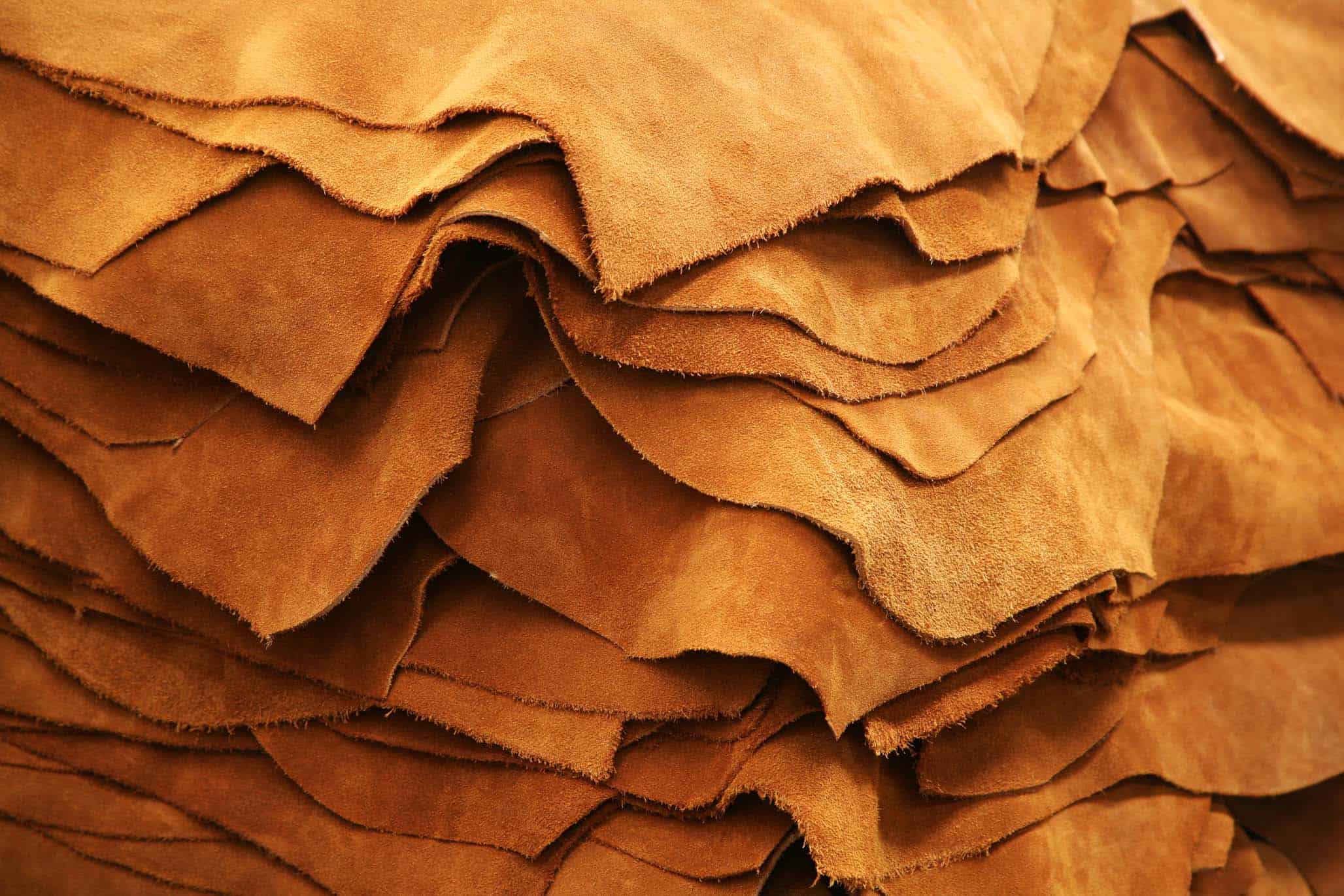
Leather has long been revered for its timeless appeal, seamlessly blending luxury with durability in modern interiors. Its natural texture and aesthetic charm elevate any space, making it a popular choice for furniture, decor, and accessories. Whether it's a sleek leather sofa or a classic leather armchair, the rich appearance and versatility of leather complement numerous design styles—from contemporary and industrial to rustic and traditional. As a result, many homeowners and interior designers alike choose leather not only for its beauty but also for its enduring quality and resilience.
One of the reasons why leather remains a top choice in modern home furnishings is its ability to age gracefully. Unlike other materials that can wear down or lose their luster over time, leather develops a unique patina that enhances its character. Furthermore, leather is inherently easy to clean and maintain, making it a practical option for households with children or pets. As a sustainable material, its longevity also contributes to eco-friendly living, allowing design enthusiasts to create stunning interiors without compromising on environmental responsibility. In summary, the appeal of leather lies in its timelessness, functionality, and enduring style, ensuring its place in modern interiors.
Counter-Strike is a popular first-person shooter game that has captivated millions of players around the world. This tactical game emphasizes teamwork, strategy, and skill, often putting opposing teams in direct competition. Players can customize their gameplay experience with various accessories, and for those interested in tech, check out the Top 10 Lightweight Apple Watch Bands that enhance your gaming experience.
Caring for Leather: Tips to Maintain Its Luxurious Look and Longevity
Caring for leather is essential to ensure that your leather goods maintain their luxurious appearance and longevity. To start, always keep your leather items away from direct sunlight and heat sources, as these can cause fading and cracking over time. Regularly dust your leather products with a soft, dry cloth to remove dirt and prevent it from accumulating. For deeper cleaning, use a leather cleaner specifically designed for your type of leather, applying it with a soft cloth in circular motions. Remember to test the cleaner on a small, inconspicuous area first to avoid any damage.
In addition to cleaning, conditioning is crucial for maintaining leather. Use a high-quality leather conditioner every 3 to 6 months, depending on the usage and environment. This helps keep the leather supple, preventing it from drying out and becoming brittle. If your leather item gets wet, gently blot the moisture with a clean cloth and let it air dry naturally—never use heat to speed up the drying process. Following these care tips will ensure your leather remains beautiful and functional for years to come.
Is Leather Sustainable? Exploring the Environmental Impact of Leather Production
When discussing whether leather is sustainable, it's essential to consider the environmental impact of its production. The traditional method of leather production involves the use of animal hides, which raises ethical concerns regarding animal rights and the environmental degradation associated with livestock farming. Additionally, the tanning process, which transforms raw hides into the durable material we know as leather, often employs harmful chemicals that can contaminate local water sources and harm ecosystems.
However, there are efforts within the industry to make leather production more sustainable. Innovations such as the use of vegetable-based tanning methods, which eschew harmful synthetics, and the rise of eco-friendly leather alternatives, like lab-grown leather, are paving the way for a more sustainable future. It's crucial for consumers to educate themselves about the sourcing and production processes behind leather goods to make informed choices that align with their values regarding sustainability and environmental impact.