The Science Behind Ergonomics: How Proper Setup Boosts Productivity
The science behind ergonomics revolves around understanding how to best design a workspace to suit the needs of the human body. Proper ergonomics takes into consideration factors such as posture, repetitive movements, and the layout of tools and equipment. Research shows that an ergonomic workspace can lead to significant improvements in comfort and efficiency, directly impacting employee productivity. By implementing ergonomic principles, companies can reduce the risk of musculoskeletal disorders, which are commonly linked to poor workspace design.
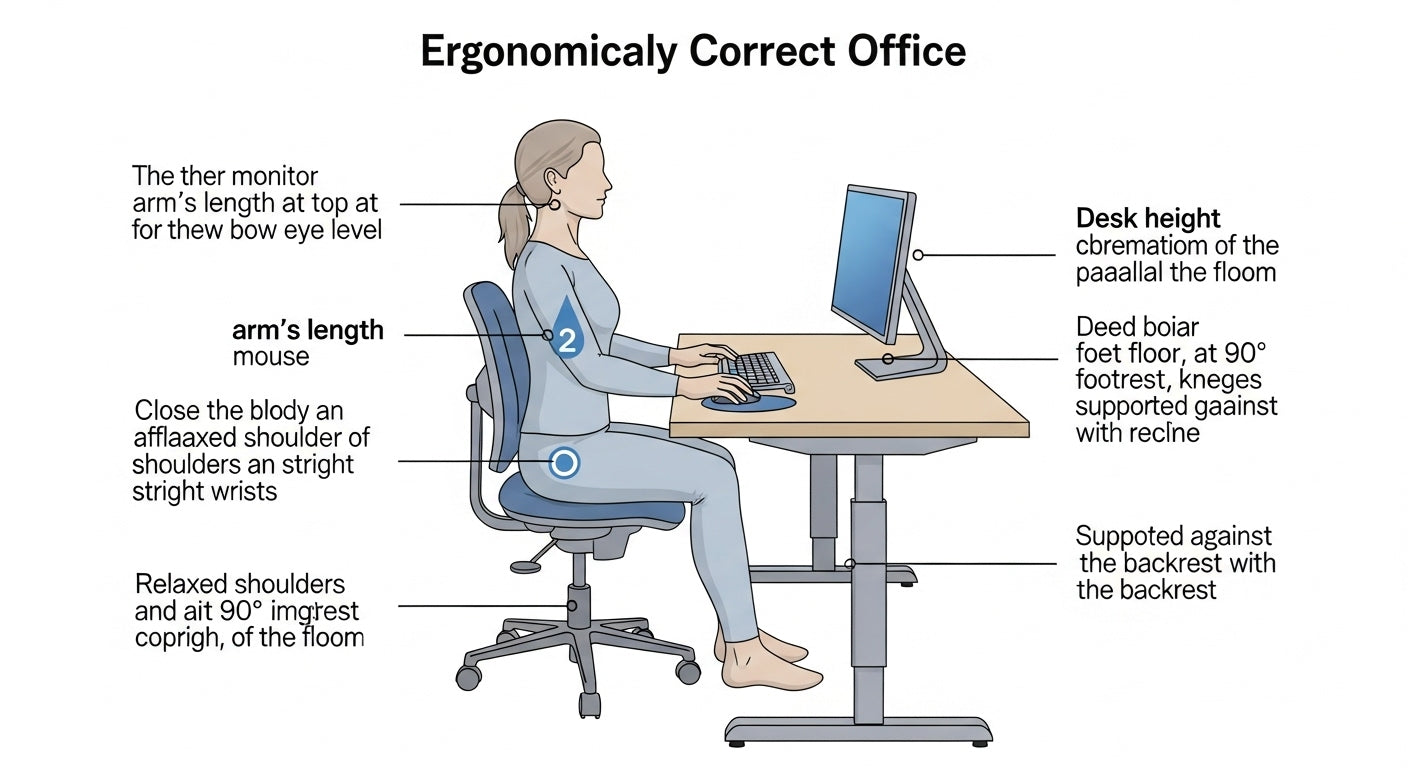
One of the key elements of an ergonomic setup involves the arrangement of your workstation. For instance, ensure that your computer monitor is at eye level to prevent neck strain and that your chair supports your lower back. Additionally, utilizing ergonomic accessories, such as a mouse pad with wrist support or a standing desk, can greatly enhance your comfort during long work hours. By prioritizing an ergonomic workspace, employees report feeling less fatigued and more focused, ultimately leading to a notable boost in productivity.
Counter-Strike is a highly competitive first-person shooter game that has gained immense popularity over the years. Players can engage in team-based gameplay, where one team takes on the role of terrorists, and the other plays as counter-terrorists. To enhance your gaming experience, consider checking out the Top 10 Laptop Accessories to Prevent Overheating, which can help maintain optimal performance during intense gaming sessions.
Top 10 Ergonomic Products to Enhance Your Workspace Comfort
In today's fast-paced work environment, creating a comfortable workspace is essential for maximizing productivity and well-being. Investing in ergonomic products can significantly enhance your workspace comfort, helping to reduce the risk of strain and injury. Here are the top 10 ergonomic products to consider for your office:
- Ergonomic Chair: A quality ergonomic chair provides the necessary support to maintain a healthy posture throughout the day.
- Adjustable Desk: Standing desks allow for versatile working positions, promoting better circulation and reducing discomfort.
- Mouse and Keyboard: Ergonomically designed input devices can help alleviate wrist strain and improve your typing efficiency.
- Monitor Stand: Elevating your monitor to eye level can prevent neck strain and improve your overall posture.
- Wrist Supports: Proper wrist supports can help maintain neutral wrist positioning during typing.
- Footrest: A good footrest can promote better posture by keeping your feet at a comfortable angle.
- Laptop Stand: Keep your laptop elevated to the optimal eye level to prevent slouching.
- Chair Cushion: Adding a cushion to your chair can increase comfort during those long hours.
- Screen Filter: A screen filter can protect your eyes from strain due to excessive screen time.
- desk organizer: Staying organized can decrease stress and improve efficiency in your workflow.
Are You Sitting Correctly? Key Questions to Evaluate Your Ergonomic Setup
In today's digital age, ergonomic setup is more important than ever as people spend long hours sitting at desks. To evaluate whether you are sitting correctly, ask yourself the following key questions:
- Is your chair adjustable to ensure proper support for your lower back?
- Are your feet flat on the ground or on a footrest?
- Are the top of your computer screen at or slightly below eye level?
Another crucial element to consider is the positioning of your keyboard and mouse. Make sure they are within easy reach to prevent straining your arms and shoulders. As you reflect on your workspace, consider asking yourself:
- Are your elbows at a 90-degree angle when typing?
- Do you have enough space on your desk to support your arms?
- Is your wrist in a neutral position while using your keyboard and mouse?