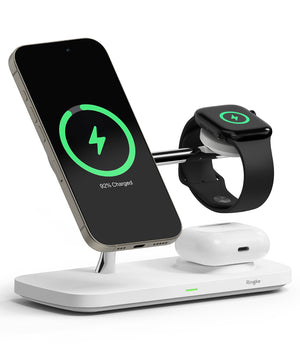
The Rise of Wireless Charging: How It Transforms Our Daily Lives
The rise of wireless charging technology has significantly transformed our daily lives, offering a seamless way to power our electronic devices without the hassle of tangled cords. With the integration of this technology into smartphones, smartwatches, and other gadgets, users can simply place their devices on a charging pad to enjoy a quick power boost. This convenience not only enhances user experience but also promotes a cleaner, more organized environment, free from cluttered cables. According to recent studies, the adoption of wireless charging is expected to increase by over 30% in the next few years, indicating a shift towards a more wireless future.
Moreover, wireless charging is not just about convenience; it also leads to several advancements in device design. Manufacturers can focus on creating sleek and minimalist products without the need for specialized charging ports. Additionally, as wireless charging technology evolves, we are beginning to see its implementation in public spaces such as cafes, airports, and even vehicles. This innovation enhances our mobility, allowing us to power up our devices while on the go. With the increasing popularity of wireless charging, it is clear that this technology is reshaping the way we interact with our devices and paving the way for a more efficient, tech-friendly lifestyle.
Counter-Strike is a highly competitive first-person shooter game that emphasizes teamwork and strategy. Players can choose to be part of either the terrorist or counter-terrorist team, each with unique objectives. The game features various modes, including hostage rescue and bomb defusal, adding to its dynamic gameplay experience. For enthusiasts looking to enhance their gaming experience, check out the Top 10 car tech accessories that can improve performance and enjoyment while gaming on the go.
Comparing Wired vs. Wireless Chargers: Which Is More Efficient?
In the debate of wired vs. wireless chargers, efficiency is a key factor that influences consumer choice. Wired chargers typically provide faster charging times, as they deliver power directly through a physical connection, allowing devices to charge at their maximum speed. For example, many wired chargers can provide up to 20 watts or more, enabling devices to reach a full charge in a matter of hours. In contrast, wireless chargers often operate at lower wattages, usually between 5 to 15 watts, which can lead to longer charging times. Furthermore, the distance between the charger and the device can greatly affect efficiency; even small misalignments can result in slower charging speeds.
However, efficiency isn't the only consideration when comparing these two charging methods. While wired chargers excel in speed, wireless chargers offer remarkable convenience and flexibility. With no cables to connect, users can simply place their devices on a charging pad, which is particularly beneficial in public spaces or homes where convenience is paramount. Additionally, the absence of cables reduces wear and tear, thus potentially extending the lifespan of charging ports. Ultimately, while wired chargers might be more efficient in terms of speed, wireless chargers provide a user-friendly experience that many find appealing.
Top 5 Myths About Wireless Charging Debunked
Wireless charging has become increasingly popular, yet many users still harbor misconceptions about this convenient technology. One of the most common myths is that wires always provide faster charging than wireless charging. In reality, while wired chargers can be more efficient, advancements in wireless technology have narrowed this gap significantly. Most wireless chargers now support rapid charging, allowing users to power up their devices reasonably quickly without fumbling with cables.
Another prevalent myth is that wireless charging is harmful to your device's battery life. Many believe that the heat generated during the charging process can degrade battery performance. However, modern wireless chargers are designed to minimize heat exposure and operate at optimal temperatures, making them safe for regular use. Moreover, many manufacturers implement features to prevent overheating, effectively debunking this myth.