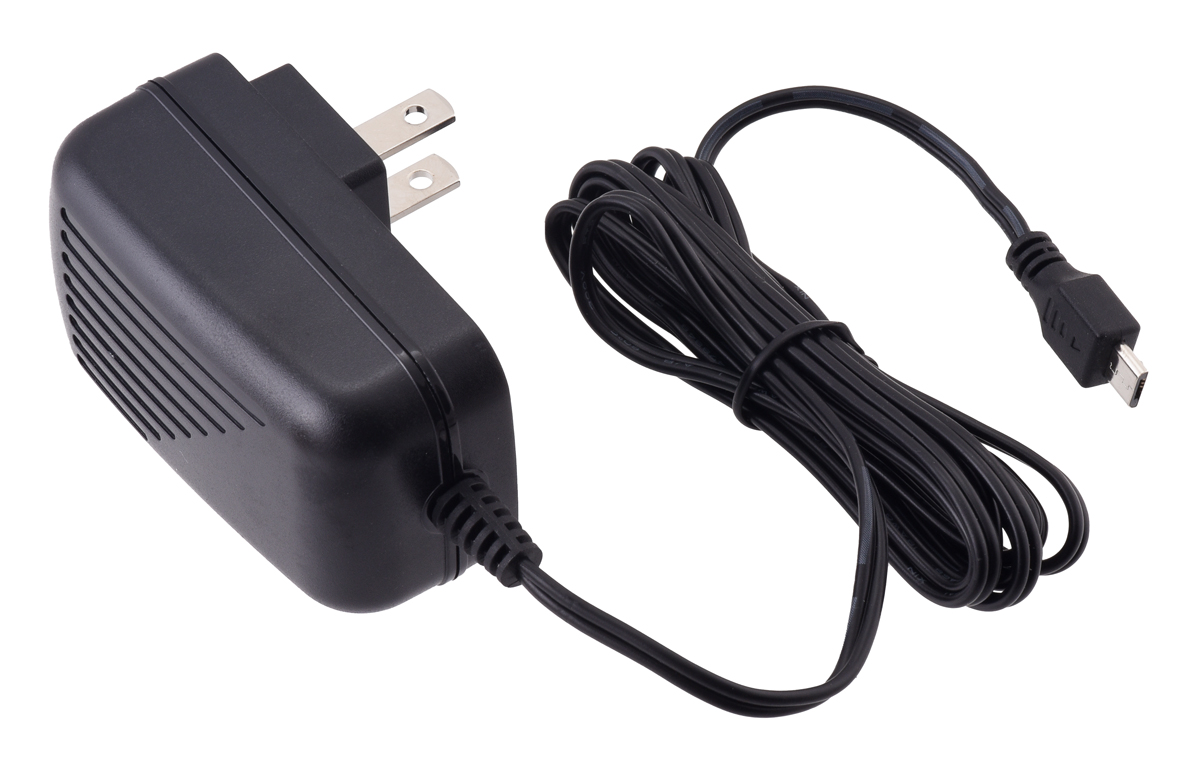
Understanding Power Cables: What You Need to Know
Understanding power cables is essential for anyone working with electrical systems, whether in a residential or industrial setting. Power cables are designed to transmit electricity from one point to another, and they come in various types, sizes, and materials. The most common types are low-voltage, medium-voltage, and high-voltage cables, each of which has specific applications. For instance, low-voltage cables are typically used for household wiring, while medium-voltage cables are essential for distributing electricity within industrial facilities. It’s crucial to understand the differences among these cables to ensure safety and efficiency in your electrical projects.
When choosing the right power cable, consider factors such as voltage rating, current capacity, and environmental conditions. For example, cables used in outdoor settings may need to be resistant to moisture and UV radiation, whereas those used indoors can focus more on flexibility and insulation type. Additionally, familiarize yourself with cable sizing charts to determine the appropriate gauge for your specific needs. Always prioritize reputable brands that comply with safety standards to minimize risks and ensure longevity. By arming yourself with this knowledge, you can confidently navigate the complex world of power cables.
Counter-Strike is a popular tactical first-person shooter game that focuses on team-based gameplay. Players can choose to be part of the terrorist or counter-terrorist teams, each with unique objectives. For gamers looking to enhance their gaming experience, check out the Top 10 apple tv accessories that can improve your performance. The game's blend of strategy, skill, and competition has made it a favorite in the esports community.
The Science Behind Unplugging: How Power Cables Affect Your Life
In our hyper-connected world, the science behind unplugging often gets overlooked. Research has indicated that constant exposure to electronic devices can lead to a range of negative health effects, including increased anxiety and reduced focus. Additionally, a study published in the Journal of Environmental Psychology revealed that people report feeling more relaxed and less stressed after spending time away from screens. Unplugging from technology allows individuals to reconnect with nature and improve their overall emotional well-being.
Moreover, the impact of power cables extends beyond just health; it also touches on environmental considerations. Each device we plug in contributes to energy consumption, which can lead to greater carbon emissions. A shift towards a lifestyle that prioritizes unplugging encourages energy conservation and promotes sustainable living. To cultivate a healthier and more eco-friendly lifestyle, try incorporating at least one unplugged hour into your daily routine—whether through reading, meditating, or enjoying outdoor activities.
Are Your Electronics Safe? Debunking Myths About Power Cables
Many users worry about the safety of their electronics, particularly when it comes to the power cables they use. One prevalent myth is that using third-party or generic power cables is inherently dangerous. However, the truth is more nuanced. While it is crucial to ensure that any power cable is rated for the device it will be used with, reputable third-party cables can meet these standards. In fact, some third-party manufacturers offer exceptional quality that surpasses the original equipment manufacturers (OEM) products. Always check for certifications such as UL or CE to ensure safety and reliability.
Another common misconception is that power cables are interchangeable among different devices. This belief can lead to significant risks, as using the wrong cable can result in overheating or electrical failures. To keep your electronics safe, always use the appropriate power cable specified by the manufacturer. Furthermore, consider the environment in which your electronics are operated. For proper maintenance, make sure your cables do not show signs of wear, such as fraying or exposed wires, which could pose fire hazards or damage your devices.