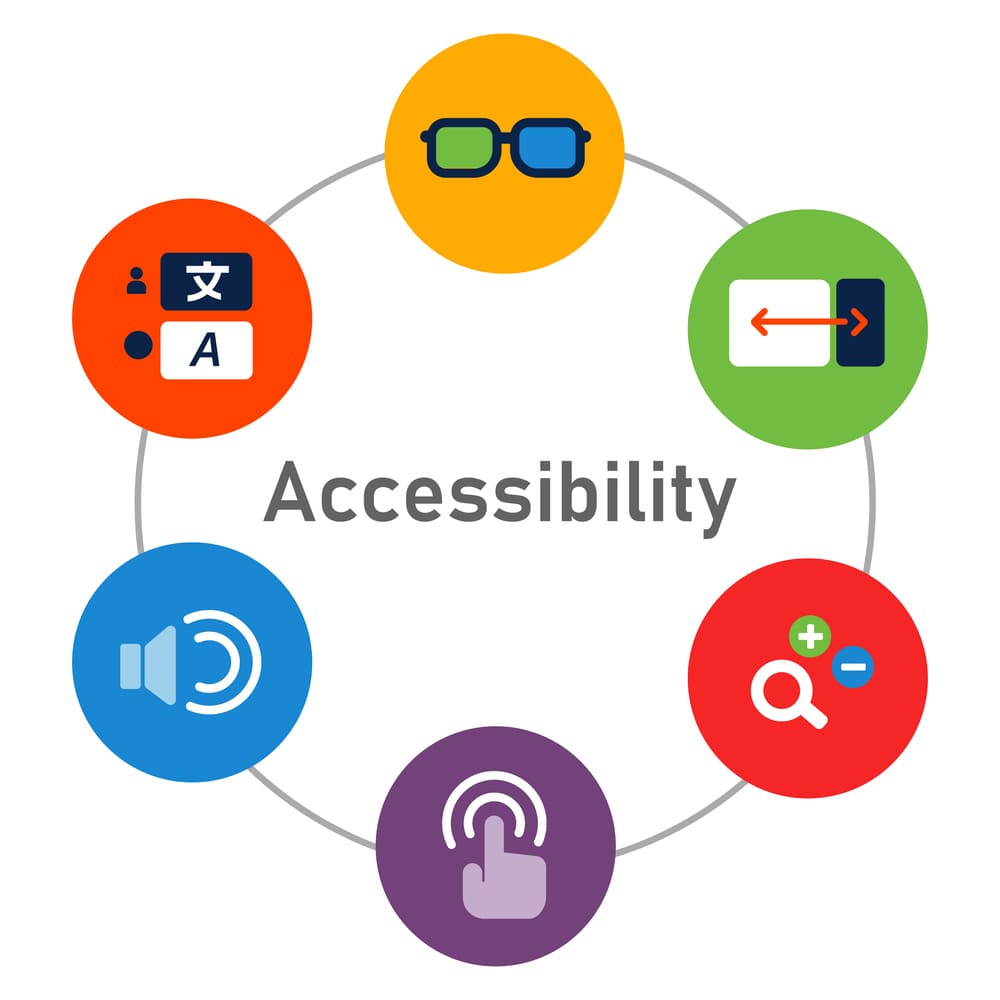
Understanding the Importance of Accessibility: A Guide for Everyone
Understanding accessibility is crucial for creating an inclusive environment that allows everyone, regardless of their abilities or disabilities, to access and benefit from various resources. This encompasses not only physical spaces but also digital platforms such as websites and applications. When we prioritize accessibility, we are not merely complying with legal requirements; we are embracing a vision of equality and inclusion. A well-designed accessible website can significantly enhance the user experience for all individuals, making it easier for them to navigate your content and services. To get started, consider implementing simple changes like providing alternative text for images and ensuring that your site is compatible with screen readers.
Moreover, understanding accessibility means acknowledging the diverse needs of users and recognizing that an estimated 1 in 4 adults have some form of disability. By improving accessibility, we can also boost our SEO rankings. Search engines reward websites that are user-friendly, and making your content accessible directly contributes to this goal. Strategies such as using appropriate heading structures, improving load times, and ensuring color contrast can enhance both visibility and usability. In essence, accessibility is not just a checkbox to tick off; it’s an ongoing commitment to fostering a digital landscape that supports everyone.
Counter-Strike is a highly popular multiplayer first-person shooter game that has captivated gamers since its release in 1999. Players are divided into two teams: terrorists and counter-terrorists, who compete to complete objectives or eliminate the opposing team. For those looking to enhance their gaming experience, consider checking out the Top 10 iPhone Accessories for Seniors that can help improve gameplay efficiency and comfort.
Top 5 Misconceptions About Accessibility You Need to Stop Believing
Accessibility is often misunderstood, leading to misconceptions that can hinder progress toward inclusivity. One prevalent myth is that accessibility only pertains to people with physical disabilities. In reality, accessibility encompasses a broader range of needs, including those related to cognitive impairments, visual and hearing challenges, and even situational impairments such as temporary injuries. It is essential to recognize that an accessible environment benefits everyone, not just a specific group.
Another common misconception is that making content accessible requires excessive effort or is too costly. While it is true that implementing accessibility features may involve some initial investment, the long-term benefits far outweigh these costs. By creating inclusive digital spaces, we can reach a wider audience, enhance user satisfaction, and ultimately improve our brand's reputation. In fact, many accessibility improvements can be made with minimal changes to existing frameworks or designs.
How Inclusive Design Benefits Us All: A Closer Look at Universal Accessibility
Inclusive design is not just a buzzword; it is a foundational approach that ensures the needs of diverse individuals are met, allowing everyone to participate fully in society. By adopting a universal accessibility framework, products and environments become more usable for people with varying abilities, ages, and backgrounds. This approach benefits not only those with disabilities but also the broader population by enhancing usability for everyone. For instance, features like curb cuts or automatic doors do not only assist wheelchair users but also make life easier for parents with strollers and individuals carrying heavy bags.
Moreover, inclusive design encourages innovation and creativity, leading to better products and services. When designers focus on accessibility, they often discover new solutions that can streamline processes for all users. For example, universal accessibility principles have led to the development of user-friendly interfaces that simplify navigation for everyone, including the elderly and those with limited tech skills. Ultimately, the push for inclusivity not only champions social responsibility but also propels businesses forward by opening doors to new markets and fostering loyalty among diverse customer bases.